December 27, 2025
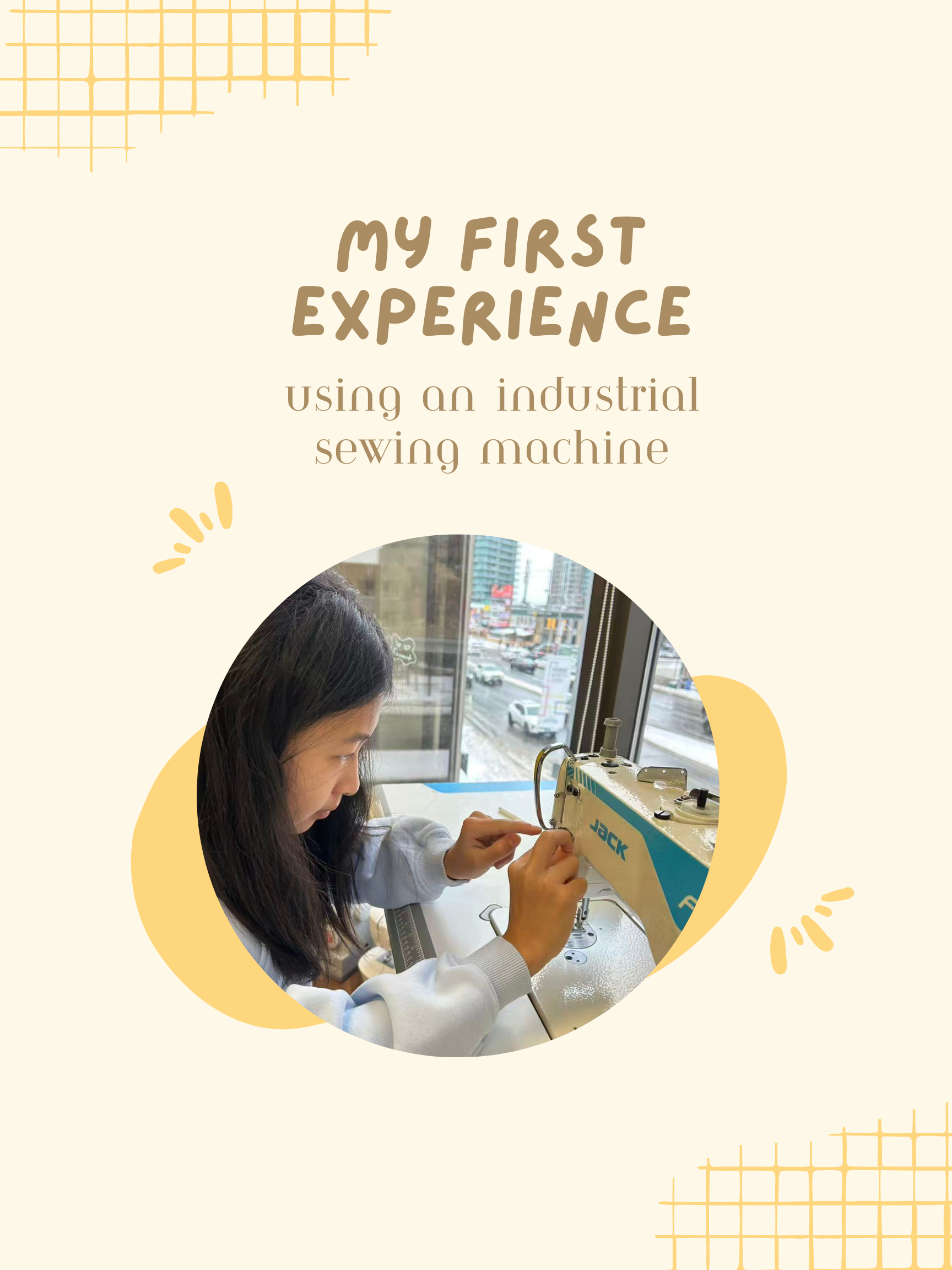
This week, I learned how to sew using an industrial sewing machine. One of the hardest parts was setting up the machine, because there were many hooks and complicated parts needed. After some trial and error, I learned how the strings connected. I also learned how to sew straight edges by controlling the pedals, cranks, and buttons. By the end, I made a pillow using the machine.
This experience helped me develop problem-solving skills. Sometimes the thread became tangled, or I accidentally pressed the pedal at the wrong time. Instead of starting over, I learned that I could simply cut the tangled thread and fix the problem. This taught me that not every mistake means failure, and that solutions do not always have to be complicated. Thinking and staying calm also helped me solve the issue quicker.
I also learned about the history of sewing tables and sewing machines. Sewing tables first appeared in the 1770s and were originally called “ladies’ work tables.” They helped move sewing from baskets to organized tables with compartments and storage. During the Victorian era, these tables were used by the upper class, but after the sewing machine was patented in 1851, the technology developed quickly and became widely available. Even though stores began selling ready-made clothing, people continued to use sewing machines to express creativity and make useful and personalized items.
I never realized before how versatile and historically important sewing tables were. After using an industrial sewing machine myself, I understand how this technology made sewing easier, and this experience helped me see how inventions can change everyday life while also teaching valuable skills like patience and deeper thinking.